
Automating Dental Transport with Robots: Kachaka at 博多たかの歯科・矯正歯科
博多たかの歯科・矯正歯科
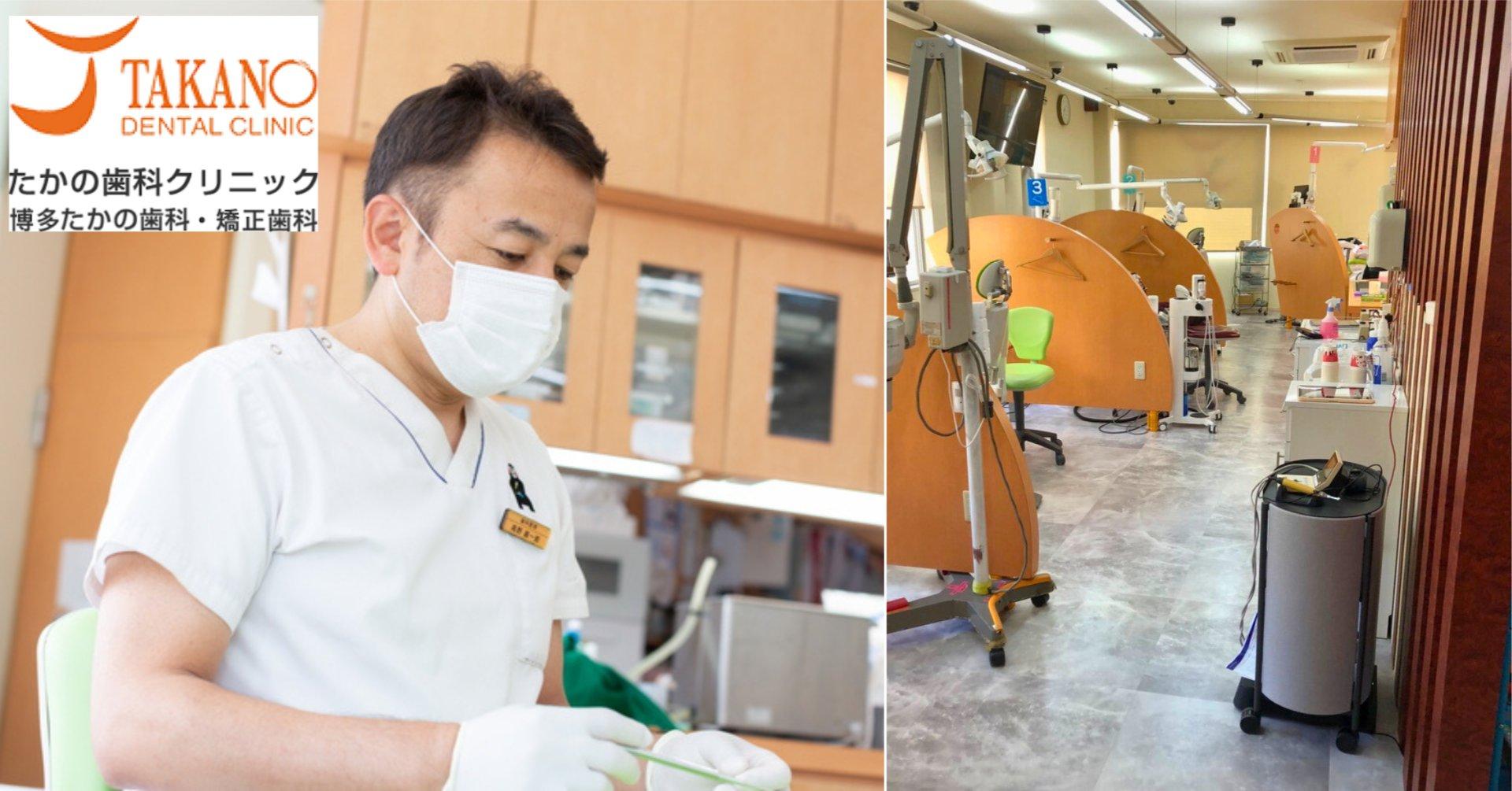
Kachaka is already in use at many dental clinics across Japan. This article looks at how it is used at 博多たかの歯科・矯正歯科, located in Fukuoka City, Fukuoka Prefecture, based on a Preferred Robotics interview with the clinic’s director, Dr. 高野嘉一郎.
About the Clinic
The clinic specializes in comprehensive treatment, dental implants, and plate orthodontics (removable orthodontic appliances). Guided by the core philosophy of “becoming the patient’s advocate,” it places strong emphasis on continued care after treatment is complete. The clinic also conducts dental checkups for local elementary schools and kindergartens, and sees a large number of pediatric patients.
The Challenge: Solving a Labor Shortage
According to the director, Kachaka was adopted to automate the transport of equipment and instruments and ease the clinic’s labor shortage. Recognizing that workforce shortages and recruitment difficulties are now a shared challenge across every industry, the clinic has been steadily automating its operations with an eye on the future, having previously introduced equipment such as automated checkout registers and cleaning robots.
How It Came About
The director first encountered Kachaka by chance, while visiting a pop-up store (now closed) at 六本松蔦屋書店. He immediately sensed that “this could be used to transport treatment instruments” and asked the sales staff for details. Around the same time, the TV program “ガイアの夜明け (Dawn of Gaia)” aired a segment showing Kachaka assisting staff at a care facility. After watching it, he decided to adopt the robot.
How It Is Used
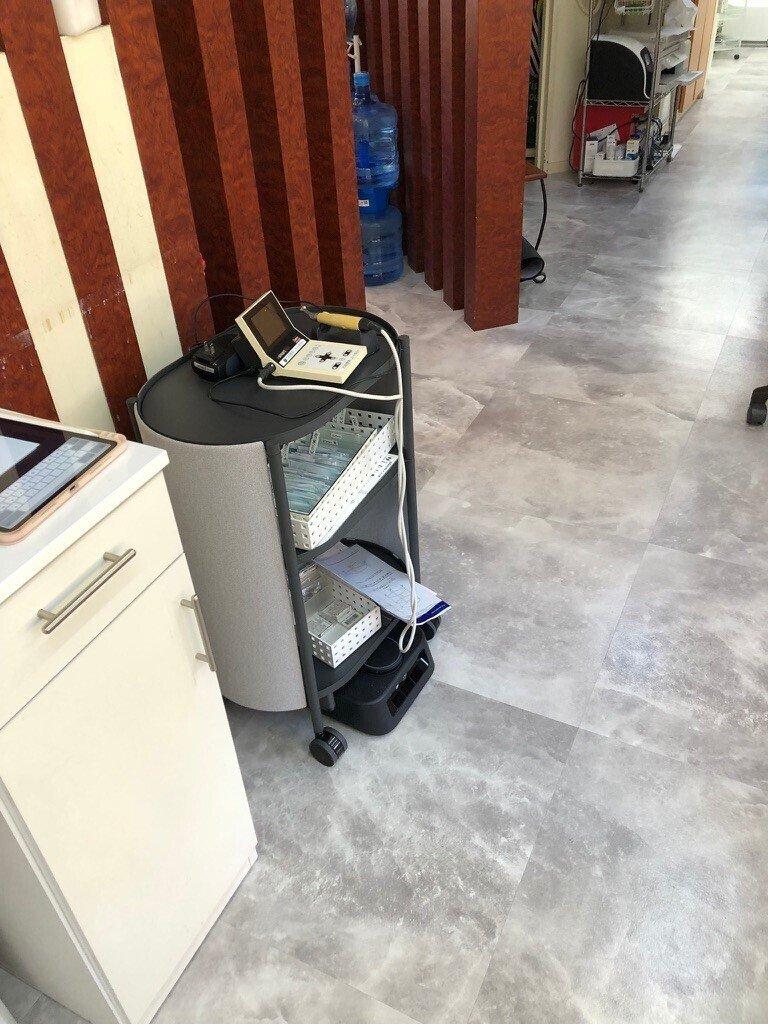
The clinic uses Kachaka to carry the equipment and materials needed for root canal treatment, delivering them to each treatment cubicle.
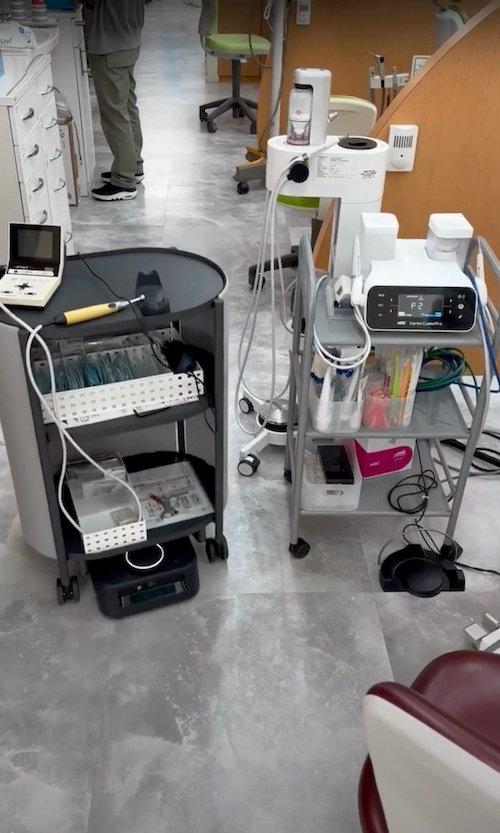
Dental treatment requires a wide range of instruments, and the equipment and materials needed vary depending on the procedure. Previously, a dental hygienist or assistant had to fetch them each time, or the doctor had to step away from the patient to get them. With Kachaka, a single tap on the iPad brings everything over, making the entire workflow remarkably smooth.
Results
The time spent waiting for Kachaka to arrive is now used to prepare for treatment or talk with the patient. Because doctors no longer need to leave their seats, they can explain procedures more thoroughly than before and help ease patients’ anxiety. With less staff movement, treatment times have also been shortened.
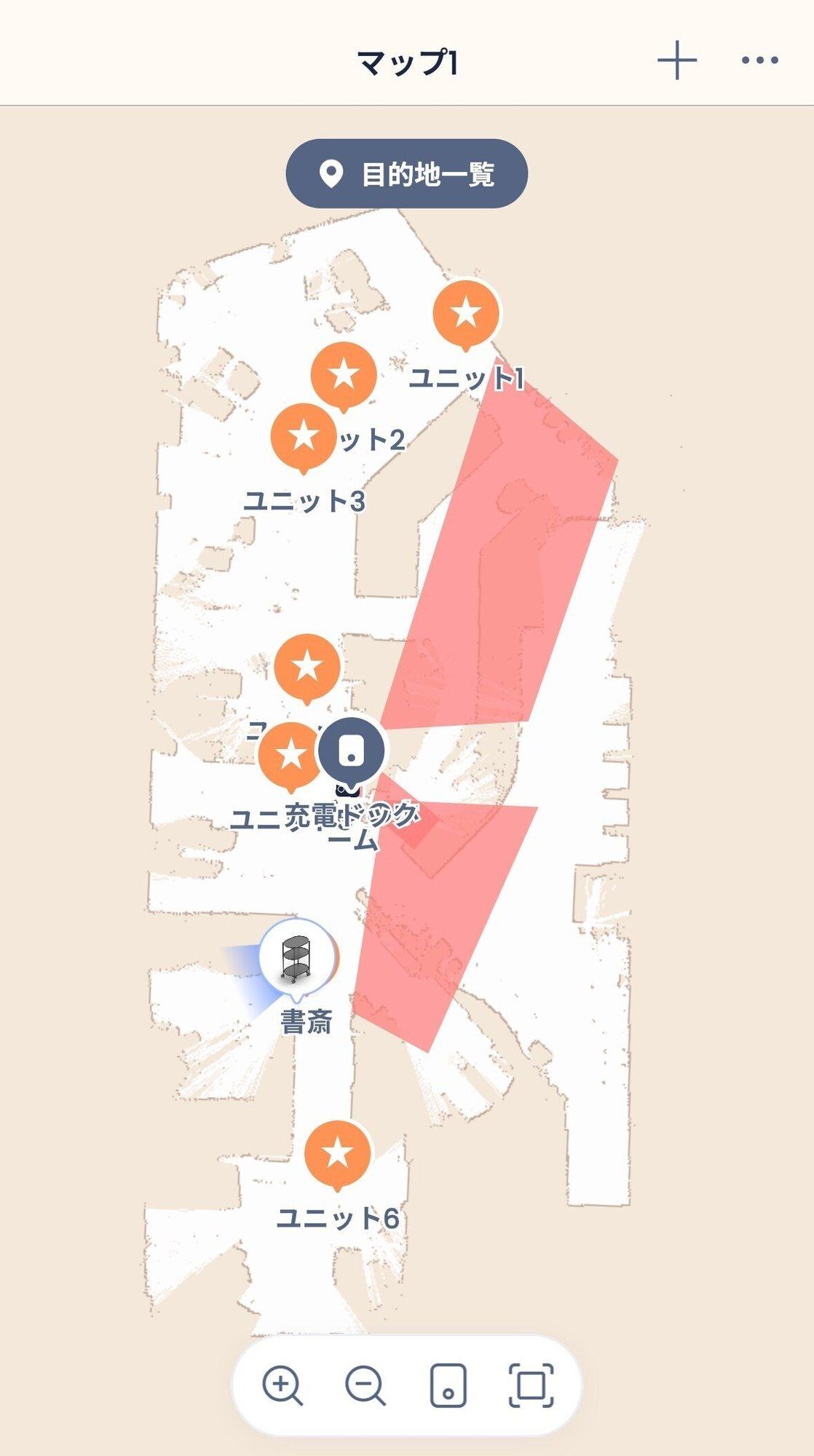
The director also noted that the dedicated Kachaka Shelf has a clean, simple design that accommodates plastic storage boxes as well as taller treatment instruments, making it highly practical. The clinic had previously heard of dental practices adopting food-delivery robots and had evaluated them too, but found that the shape of their shelves limited usefulness to little more than carrying patient record folders, so it ultimately passed on them.
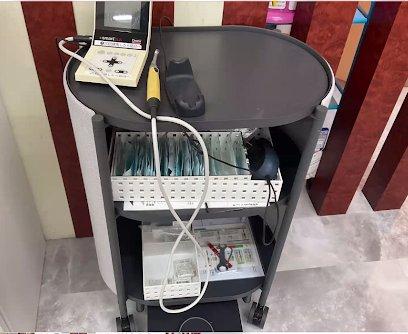
After confirming how convenient Kachaka is to use, the clinic plans to have it carry even more treatment instruments. It intends to place MUJI’s polypropylene drawer storage units on the Kachaka Base — their shape closely resembles the drawers the staff use every day, so they should feel completely natural to work with, and the number of trips is expected to rise further.
In Their Words: Reactions from Staff and Patients
The staff have grown fond of Kachaka, and its “message function” is a particular favorite. The director programmed phrases for it to say to the team, such as “Thanks for all your hard work” and “Thank you for working at 高野 Dental,” and the atmosphere warms up whenever Kachaka speaks. For now it is mainly operated by the doctors, but the dental hygienists have expressed interest in learning to use it too.
More recently, the clinic set Kachaka to say a short phrase when it arrives at the patient’s treatment cubicle — for example, “We look forward to seeing you again” — with a different message registered for each cubicle. The director joked that if it could speak in the Hakata dialect, it would be even more endearing.
Message function: lets you freely set the phrase Kachaka speaks upon reaching its destination, configured simply by typing the text into the app.
What They Hope For Next
Because the clinic sees so many pediatric patients, the director hopes a future feature will let children converse with Kachaka, giving them the joy of interacting with cutting-edge technology — something he sees as a positive for education as well.