 SIGMA ROBOTICS 西格瑪機器人 SIGMA ROBOTICS 西格瑪機器人
 Vitals and rounds are highly repetitive, routine work. Let a robot take over the regular rounds and flag anomalies the moment they happen, and your nursing staff's time goes back to the work that genuinely needs their judgment.
A large care facility with over 800 beds and residents averaging 83+ years old, where the robot is now part of daily operations
Sources: 板橋榮譽國民之家 official release (2025-10), DIGITIMES report; results vary with bed layout and resident condition. Beds left incomplete are listed automatically by the system for nursing staff to follow up.
衛福部新營醫院 and 工研院 (ITRI) deployed the vital-sign robot "小黑輪"; matched through the Tainan City Government's "Smart Robotics Application SIG" platform, the nursing home is now a city-designated smart-robot validation site.
Sources: 聯合報, 自由時報, 中華日報 reports, and a Tainan City Economic Development Bureau press release (2026-07); the per-shift saving is the city's own figure, and results vary with the site and resident condition.
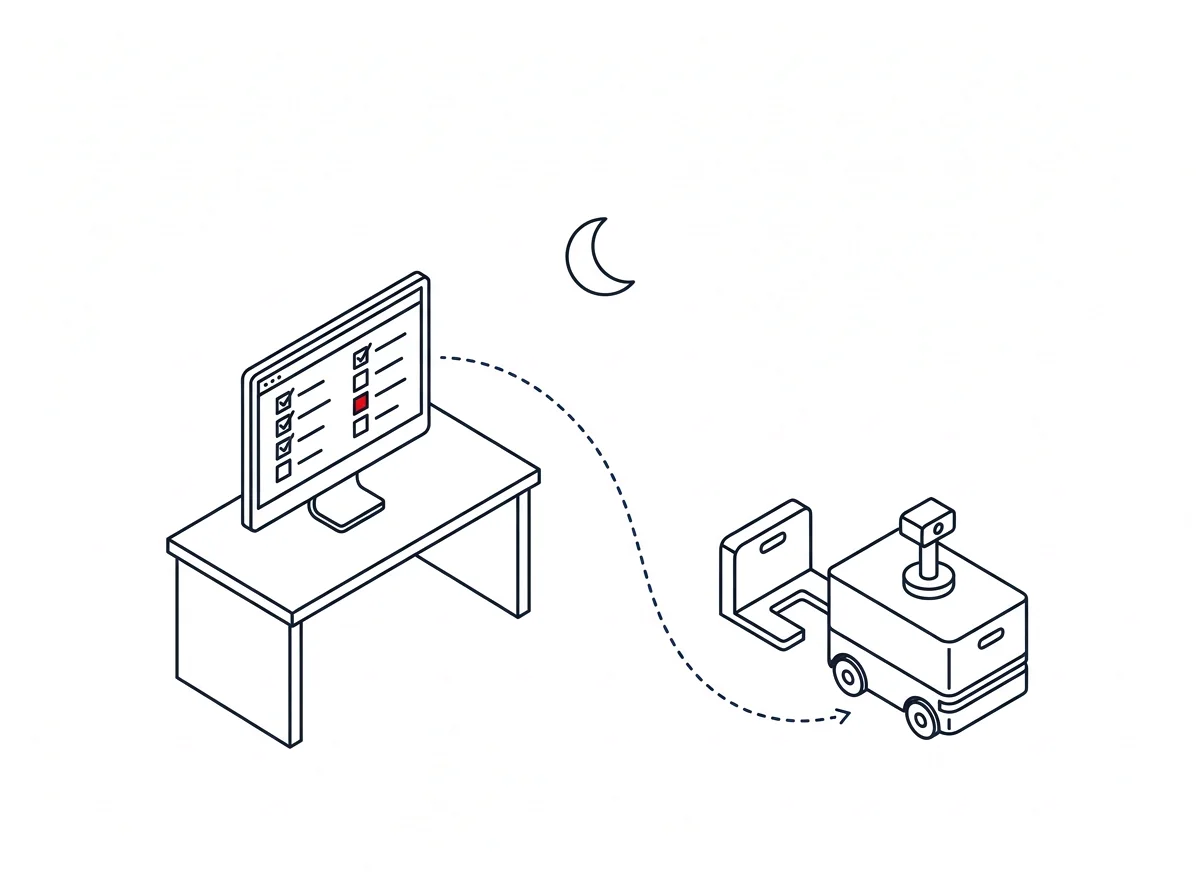
Tick a bed on a web page to schedule it, and otherwise never touch the robot; a Traditional Chinese illustrated manual means no extra system to teach during shift handover.
A 24 cm body fits even corridors crowded with IV poles and carts; no magnetic tape and no construction, leaving the facility's fittings untouched.
Contactless measurement never touches residents.
The robot's role is to bring the sensor to the designated spot; measurement results and their validity rest on the chosen sensor, positioned as assistive monitoring and not for diagnostic use.
Source: Preferred Robotics (manufacturer's public cases)
The above are the manufacturer's public cases; 宮田歯科 is not listed on this site's Japan cases page. Source: Preferred Robotics.
No equipment cost — we survey, set up and run alongside you on-site for a week, then deliver a complete trial report you can take straight into a nursing-department meeting or sign-off. If you don't adopt after the trial, we charge nothing.