 SIGMA ROBOTICS 西格瑪機器人 SIGMA ROBOTICS 西格瑪機器人
 The narrowest body of any commercial transport robot — just 240 mm. Narrow enough to clear tight doorways and your existing aisles, so you never have to rebuild the floor around it. Parts, documents, medication, instruments, meals — anything carried by hand can hand the last mile of delivery to it. Like a city courier, it threads the back alleys and gets there, door to door.
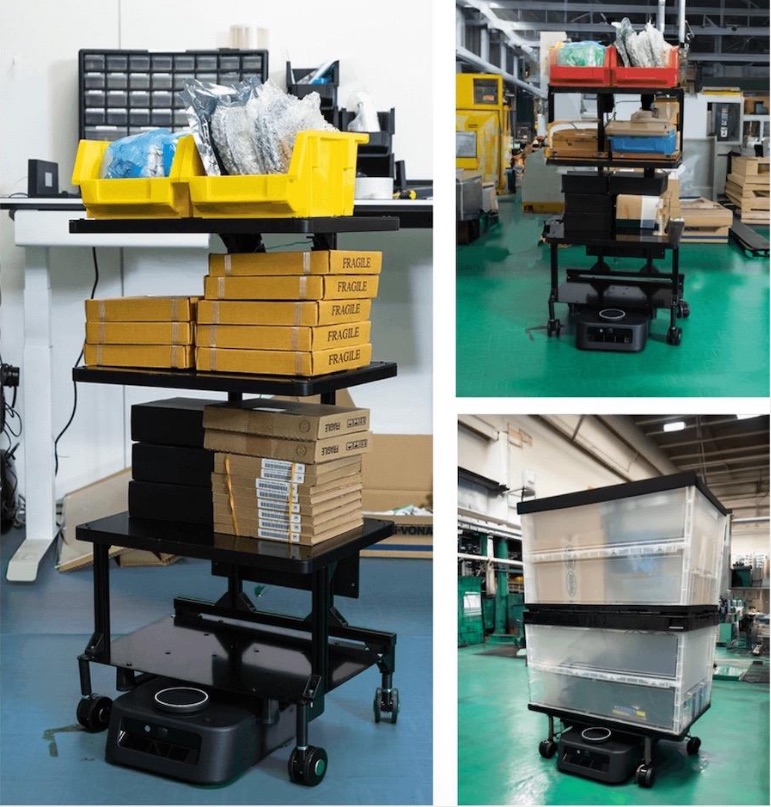
Staff drop what they're doing to run something across — ten minutes a trip, a dozen trips a day. The people you most want focused on the job, spending their time on the least skilled walking.
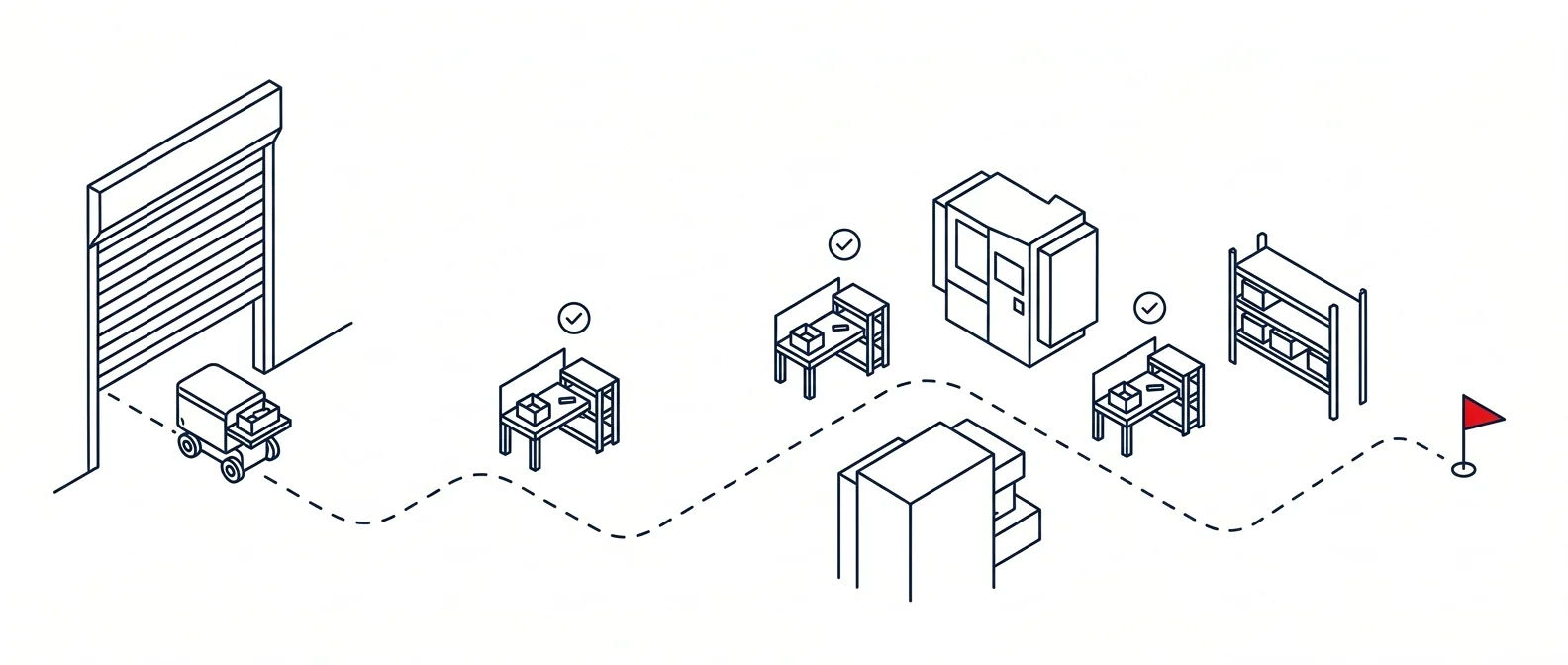
Thick walls, metal cabinets, basements — most sites have dead zones. A typical AMR stops dead the moment it loses the network, and the vendor's first move is to rewire the whole site.
Marking lanes, laying tape, setting reflectors — change the layout and you redo it all. No one wants to shut the floor down for the sake of one vehicle.
This is what it actually looks like running on site
Source: Preferred Robotics (manufacturer's public cases)
Results vary by site conditions; cited only as a reference for mechanism feasibility.
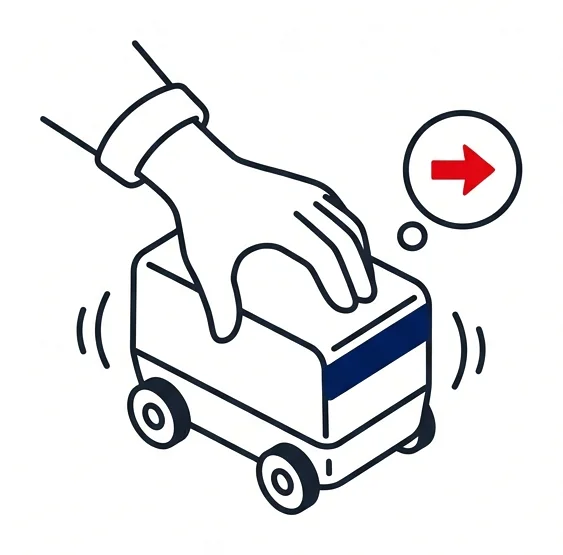
The same "call it with a button, it delivers on its own" works in clinics, dental offices and pharmacies (source: Preferred Robotics)
Results vary by site conditions; cited only as a reference for mechanism feasibility.
A 30-minute survey of your site to tell you whether it can run and where it can't, with a feasibility and constraints report. Want to try it? Run it free for a week — if you don't buy after the trial, we charge nothing.